
Become a school who transforms behavior, engagement, and learning by restoring a child’s sense of worth and connection
Get Notified of Identity Impact Updates
Schools are being asked to carry more than ever...
Identity is the primer that makes learning flourish.
Identity
Who we believe we are

Belief
What we believe about ourselves and our place in the world
BEHAVIOR
How we behave based on what we believe about ourselves
RESULTS
Learn how our being informs our doing as a gift to the world
We live out of
who
we think we are
THE IMPACT IS PROFOUND
Schools partnering with Identity Impact have seen:

“What schools needed after the pandemic was leadership not operating from scarcity. One year after Identity Impact training, our schools exceeded all performance projections. The only variable that changed was Identity Impact.”
— Dr. Jeff Moorhouse, Former Superintendent, Kingsport City Schools
First Tennessee Region Superintendent of the Year (2022)
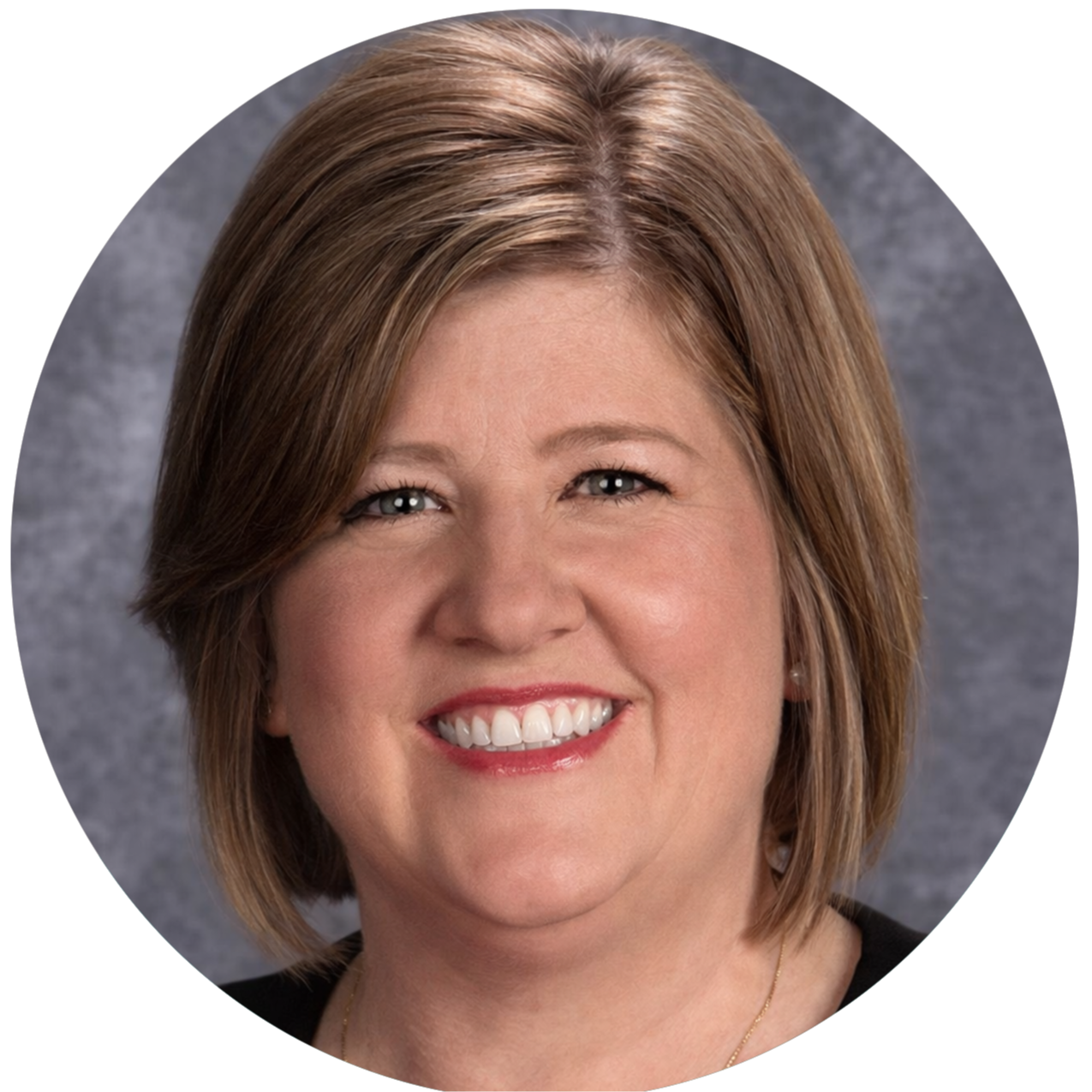
“I sat with Love and asked what I needed to know about the anxiety I was seeing around testing. So we stopped and put it down. We wrote out the lies we were believing and the fears we were carrying, we let them go, and we wrote down the truth we were given in exchange. I watched shoulders drop and faces change in a single morning. When our scores came back at the end of the summer, they were the best we have had in my six years here. I have no doubt about the connection.”
— Christal Hollinger, Elementary Principal, Texas
During testing season this past spring, I noticed something more than I had in the past. Our teachers were visibly anxious around testing. Even though state testing isn’t something we intentionally emphasize, it is a reality of the system we work within. What really struck me was that I started noticing it in our kids. They were shaken. They were worried. They were afraid. I sat with Love and asked, What do I need to know about this? What do I need to do?
Love immediately put four girls in the front of my mind. So I met with those four girls together, and we just started talking. I asked them if they were worried about the upcoming test, if they had fears, or if they were believing any lies about themselves because of the test. They let out a deep sigh. It was pretty obvious they were carrying a lot more than even I realized. I gave each of them a note card and asked them to write down the lies they were believing, the fears they had, or the things they were worried about.
They immediately started writing, and they didn’t stop for quite some time. What they wrote was heartbreaking.
We then asked what Love wanted us to do with this notecard and all it contained. We sat. We listened. They started sharing what Love was telling them to do. One student said, “Tear it up.” Another said, “Throw it away.” Two students said, “Wash it away.” They immediately wanted to go to the sink and put the cards under the water. We did.
When we came back, we sat together again and asked Love, What do You want to give us in exchange for these lies, fears, and worries? The girls began writing the truth Love was giving them on Post-it notes. And everything changed. Their faces changed. Their shoulders relaxed. They started smiling. Their breathing changed. The pens just flowed.
I then asked Love what I needed to know about all of the other students who would be taking these tests. Love led me to meet with the students and teachers in third, fourth, and fifth grade. The first grade level I met with was fourth grade. We all gathered together in the gym one morning — students and teachers. For each grade level, I showed the video version of You Are Special by Max Lucado. In the story, the main character receives black dots from other people. Those dots became such an easy picture for us of the lies, fears, worries, labels, and things other people put on us. Eli represents perfect Love and exchanges those lies for truth. After we watched the story, I asked everyone to think about the black dots they were carrying around testing. What were they afraid of? What were they worried about? What lies were they believing? I gave everyone a note card and asked them to write those things down. When everyone was finished, I asked if anyone was willing to share. A teacher went first. That vulnerability started a ripple effect. Students began sharing things that were much deeper than I expected.
“I’m afraid my teacher will be upset with me.”
“I’m afraid I won’t pass to the next grade level.”
“I’m afraid people will think I’m stupid.”
We then went through the same process Love had led me through with the four girls. We asked Love what we were supposed to do with these note cards filled with fears, worries, and lies. Students were told all kinds of things. We gathered up the cards, gave each student a Post-it note, and sat with Love again. What does Love want to give us in exchange for these lies, fears, and worries? The students began writing. Once again, the room changed. Smiles brightened. Shoulders relaxed. It was almost like a wind had swept through the room and changed their perception. They had received the exchange of lies for truth.
The students took those Post-it notes with them into testing. They had something tangible to look at when the worry, fear, or lies started creeping back in. I did this with every grade level that was testing. Every experience was the same. The students had no problem writing down what they feared, what they worried about, or the lies they were believing. They were carrying those things, and they were ready to put them down. They also willingly received the truth that brought freedom and peace.
When we received our scores at the end of the summer, they were the best scores we have had since I’ve been at the school. This was my sixth year. I have no doubt about the connection. I believe that when students walked into testing carrying truth instead of fear, their minds were free to access what they had learned. They weren’t being held captive by lies, fears, and worries.

“I was coming home from work exhausted and defeated. I had tried every strategy I knew, and my excitement for teaching was fading with every chair that was thrown. Then I began doing identity work with my students. One girl who had long struggled with aggression heard Love call her ‘a consuming fire of kindness’ — and she started catching her own words and repairing them, without any coaching from me. The invisible teams my students had placed themselves on began to dissolve. I jump out of bed every morning with purpose again.”
— Natalia Dixon, Classroom Teacher, Identity in the Classroom Cohort
I am reaching out to share some of the impactful experiences my students had while implementing identity work in the classroom.
Before taking the course, I had tried to instill “good values” through coaching, coaxing, consequences, modelling, office referrals, phone calls home, and every other strategy I knew. I would come home from work feeling exhausted and defeated, and I was losing steam quickly. The excitement I had for teaching and my desire to connect with students and help create positive life transformations began to fade with every chair that was thrown, every classroom that was trashed, and every fistfight.
I still had a deep desire to help disrupt the school-to-prison pipeline that I was seeing in my school community, but I didn’t know how. I was repeatedly told that the system was broken and that there was little hope because things would only continue to decline.
I had started listening to podcasts on identity-centered transformation and wished there was some way to implement this work in the classroom. I discovered Identity Impact through a Google Meet call with people doing this type of work.
Throughout the course, I was eager to implement what I was learning right away. My students graciously humoured me as I fumbled my way through the activities. I shared with them what I was learning and how discovering my own identity had impacted my life.
A few weeks later, our school began a series of activities focused on identity and inclusion. I felt uncertain about how to facilitate these conversations in a way that honored the school’s intentions while also recognizing that identity is much deeper and more expansive than the particular lens through which we were exploring it.
Through the training, I had learned that uncomfortable feelings, anxiety, and fear were invitations to meet with Love and ask, “What do You want me to know?” and “What do You want me to do?” I felt Love say, “Do what the division is asking and talk about identity in the way you now understand it.”
My students were already accustomed to hearing me talk about identity, so it wasn’t unusual when, on the first day of this focus week, we discussed the school-wide prompt: “What makes you unique?”
Many of my students are first-generation immigrants or refugees. My Muslim and Orthodox Christian students come from families and communities with histories of conflict in places such as Ethiopia, the Tigray region, Eritrea, and Israel. These experiences shaped the way some students entered conversations about identity, belonging, and difference. Anxiety in the room was high, and many students had their guards up.
I asked them what made them unique. Unsurprisingly, many found it difficult to say positive things about themselves.
We began with the “Favourite Place” activity, where students created artwork illustrating their favourite places. Because they had already described these places through writing and art, it became easier for them to engage their imaginations. One student shared that her favourite place was the beach and said that she and Love buried her false beliefs in the sand.
One student who is Orthodox Christian described Love as a fire. Another student who is Muslim said Love was like a “spirit of light.” The two exchanged wide-eyed looks and began asking each other questions about what Love looked like to them. It was such a beautiful moment of curiosity and connection.
When they asked Love what Love called them, the first student said, “Love says I am a person who helps people out of dark places.”
Immediately, a picture came to my mind of this student helping someone climb out of a dark pit. I shared what I was picturing with her, and she absolutely beamed.
“Miss, that’s what I saw too!!”
The second student had long struggled with pro-social behaviour. She often operated from a place of protection and defensiveness. If someone looked at her the wrong way or caused irritation, she could quickly respond with harsh language, physical aggression, or threats toward classmates. She struggled to maintain friendships.
When she asked Love what Love called her, she responded, “Love says I am a consuming fire of kindness.”
She drew a picture of a fire that burned up bad things and replaced them with goodness and kindness.
Without any coaching or correction from me, something remarkable began to happen. Whenever she said something unkind or hurtful, she would stop herself and say, “I’m sorry. I am a kind person, and what I said was not kind. What I said is not true about you. You are smart… funny… pretty…” She would then intentionally encourage the very student she had just hurt.
I noticed that her knee-jerk reactions were slowly replaced by a pause. When she did make a mistake, she apologized almost immediately. She had come into alignment with her identity, and it happened through the exchange activity. Traditional strategies alone had not produced the transformation I was witnessing.
As the weeks went on, students began spotlighting and encouraging one another. They eagerly shared the pictures they were receiving in their imaginations and the things they felt Love was speaking to them. Some couldn’t wait to go home and tell their families.
The invisible teams that students had unconsciously placed themselves on began to dissolve. Instead of relating to one another through cultural or religious differences, they began connecting through curiosity, encouragement, and the identities they were discovering. Watching those perceived divisions give way to genuine friendship and unity strengthened our classroom community in ways I never expected.
I cannot wait to make identity work a regular part of my classroom routine next year.
Since taking Identity Impact for the classroom, I go to work every day excited for opportunities to implement what I have learned. I no longer dread conflict or difficult conversations because they have become opportunities to pause, reconnect with Love, and return to a world story rooted in connection.
My resilience has grown, and so has my students’ resilience.
Because I know that I am “the ambassador who fearlessly goes into dark places to help unlock chains,” I can jump out of bed every morning with purpose. I have energy, passion, and excitement again, and I am deeply grateful for how this work has transformed not only my classroom but also the way I think about my calling as a teacher.
I am a problem an enthusiastic listener.

Scopes of Service
Keynotes Experiences
Inspiring, high-impact keynote sessions that introduce and ignite the paradigm of identity-centric transformation.
One-Day Professional Development
Explore stand-alone training days offering a range of topics focused on identity-centric transformation, designed to equip staff with practical, immediately applicable tools.
Implementation Packages (5-Day Minimum)
A structured package that begins with one day of professional development followed by four on-site implementation days. These visits support staff directly after training in adopting and integrating identity-centric skills and practices throughout classrooms and the school environment.
Multi-Year Pilot Programs
Comprehensive, long-term implementation that include professional development, ongoing on-campus support, coaching, and systems redesign. These packages guide schools through the full adoption, refinement, and sustainability of an identity-centric transformation.
how to bring Identity transformation to your school
1
Schedule a Call
with the Identity Impact team
2
Determine the Scope
for the best first steps for you and your school
3
Bring Identity to Your School
to your teachers, students and community